


Punching Through Barriers: Why Boxing is the Perfect Sport for Teenage Girls
- Dave Rimmer
- Oct 12, 2024
- 3 min read
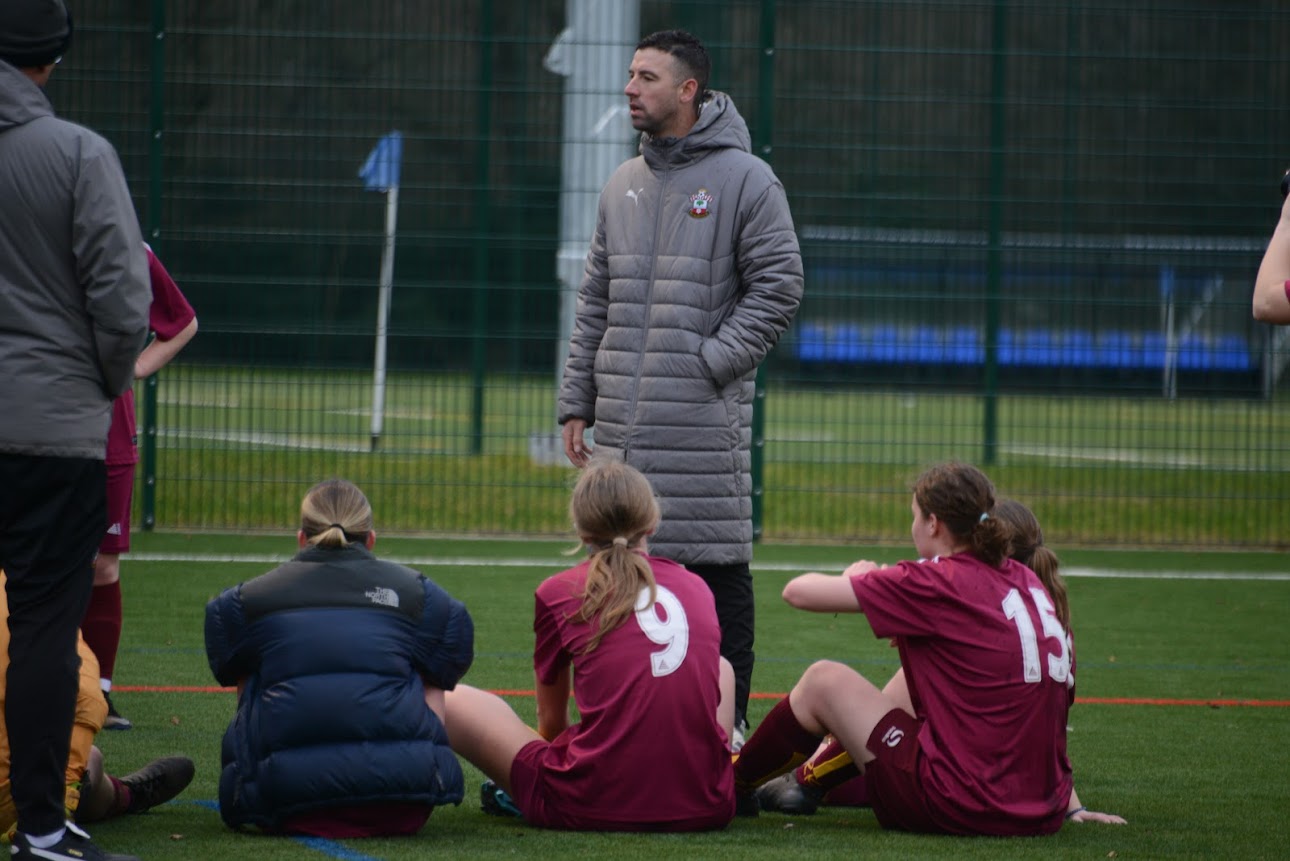

Playing sports is one of the best ways for young people to stay healthy, build confidence, and develop essential life skills. But unfortunately, many girls drop out of sports during their teenage years, often between the ages of 13 and 18. It’s a trend that has been increasing over time, and understanding why it happens—and why it’s so important for girls to stay active—is crucial. This is where boxing can come in as a powerful solution to some of the common challenges girls face in sports.
One of the biggest reasons girls leave sports is social pressure. Many teenagers worry about fitting in and might feel that sports aren’t “cool” enough. Unlike some other sports, however, boxing has a reputation for being tough, respected, and admired. As a sport, it’s often seen as something that requires discipline, strength, and courage. This makes it a great option for girls looking to stay active but still feel a sense of respect and admiration from their peers. For many, the idea of boxing sparks curiosity and excitement, and it’s seen as a challenging and empowering activity that can help break down the idea that girls’ sports aren’t “cool.”
Body image issues are another common reason girls step away from sports. Teenage years bring about physical changes that can make girls more self-conscious, especially in activities where they might feel exposed or worry about how they look while playing. In boxing, the focus is on strength, endurance, and agility rather than appearance. The training is intense and challenges every part of the body, helping girls to feel strong and capable. This shift in focus—from how the body looks to what it can do—can be incredibly empowering and can help girls develop a healthier relationship with their bodies. Boxing emphasises the power and strength in each movement, which can be a refreshing change from other activities where appearance may feel more scrutinised.
Academic and personal pressures also play a significant role in why teenage girls leave sports. As they get older, schoolwork becomes more demanding, and girls often feel pressured to prioritise studying or other extracurricular activities over physical activities. Boxing offers flexibility, allowing girls to train independently or with a coach at times that work with their busy schedules. It’s a sport that can be easily tailored to fit their needs, with short but intense training sessions that deliver a full-body workout in a short amount of time. The intense physical activity not only helps to build physical endurance and strength but also provides a mental break from academic stress, which can improve focus and productivity in other areas of life.
Another factor that holds girls back from sports is a lack of visible role models. In some sports, there may not be as many successful women to look up to, making girls feel like they don’t belong. Boxing, however, has seen a surge in popular female athletes who are breaking down stereotypes and inspiring young girls worldwide. Seeing women excel in boxing can motivate teenage girls to pursue the sport, knowing there is a path to success and respect. This visibility helps girls feel that they have a place in boxing and encourages them to stay active.
Boxing also offers something unique that many other sports don’t: self-defense skills. In today’s world, learning to protect oneself is increasingly valuable. Knowing self-defense can provide a sense of security and control that is empowering, especially as girls navigate the uncertainties of the teenage years. Boxing teaches self-defense in a way that builds confidence and helps girls feel safer in their surroundings. Beyond just physical strength, these skills can help girls develop a mindset of resilience and awareness, giving them tools they can rely on in various aspects of their lives.
For girls looking to try something new and stay active, boxing can be a fantastic choice.
To start boxing with us, check out our classes and 1-1 training services.
Comments